DARK STAR
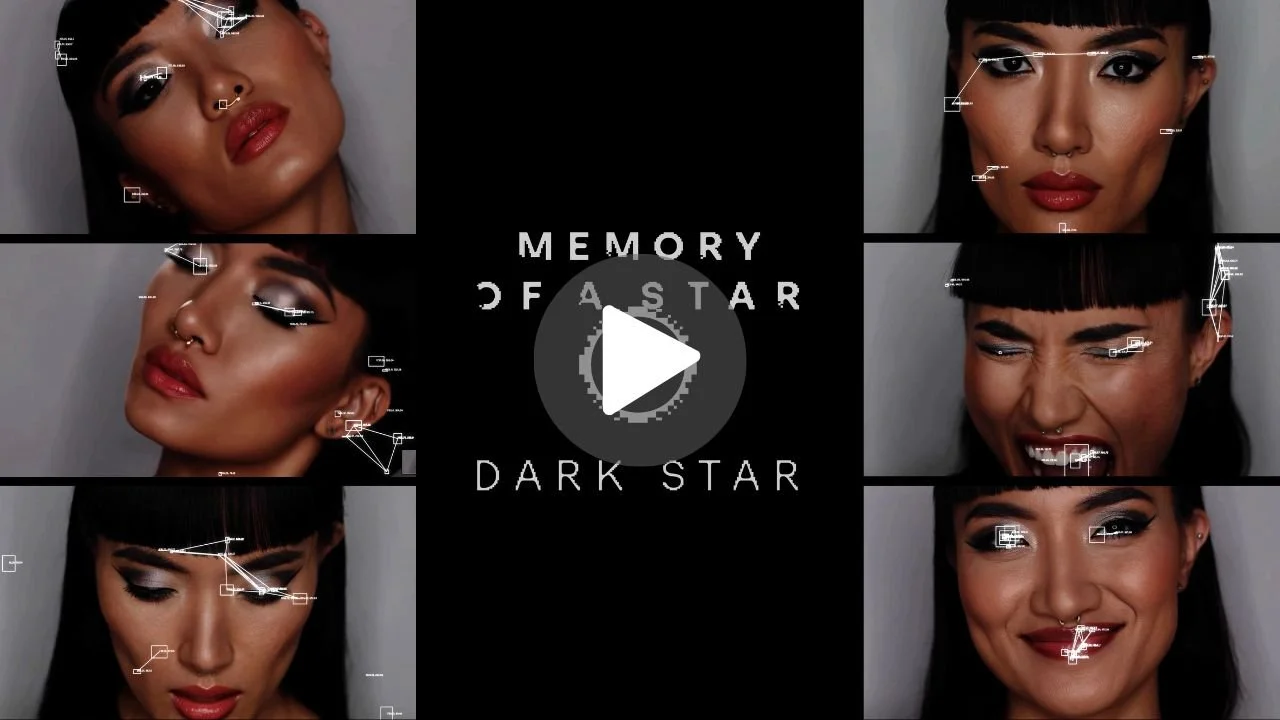
Dark Star is an intimate self-portrait tracing the years leading up to my suicide attempt at 23, revealing the struggles hidden behind a lifetime of overachievement. Blending recordings from my teenage years with voiceovers from that breaking point, the film explores the cost of chasing perfection and invites a more compassionate conversation around mental health, vulnerability, and asking for help.
Dark Star was created for World Mental Health Day and premiered at National Sawdust in 2025.
Read more about the technology used to bring Dark Star to life below.
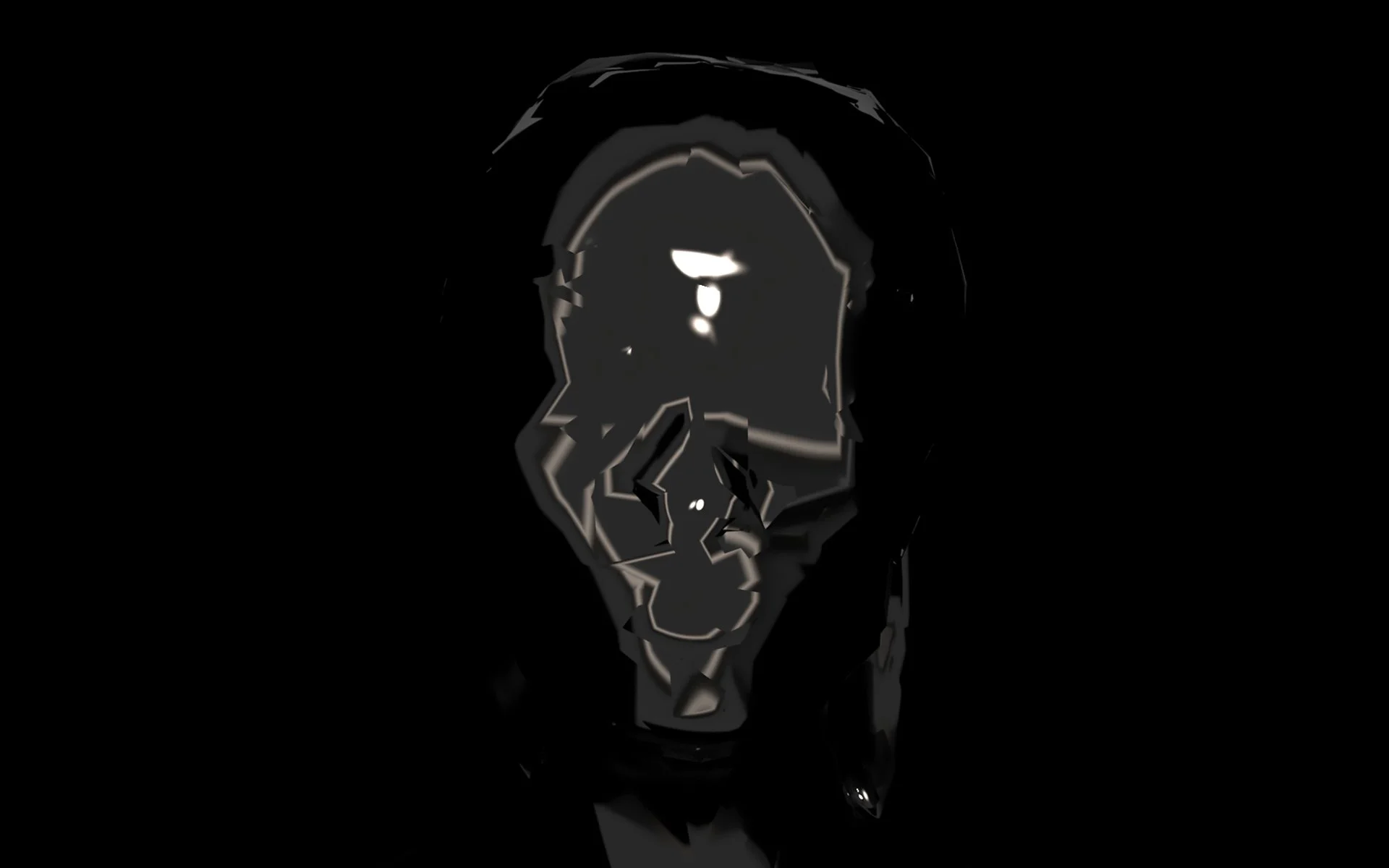
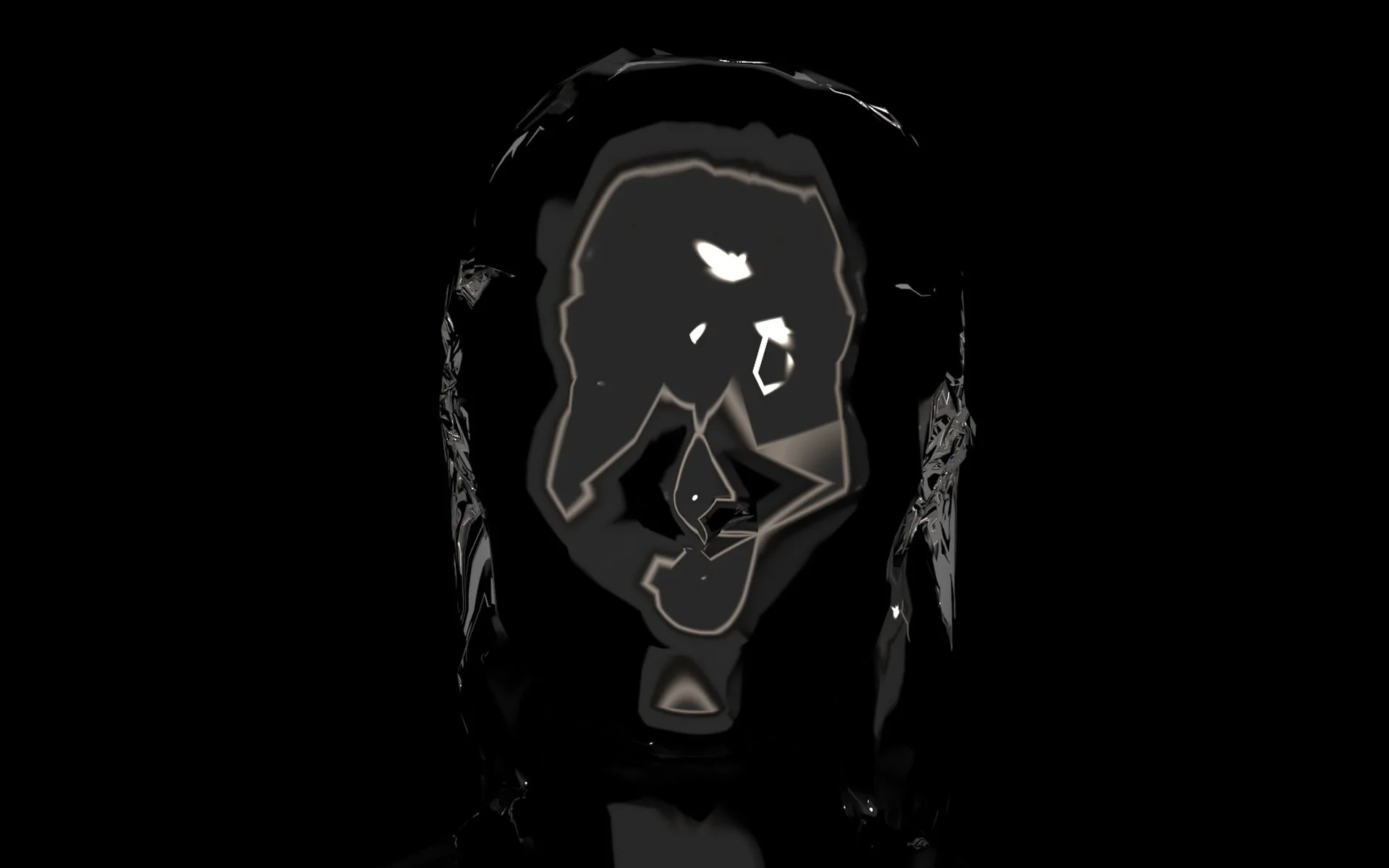
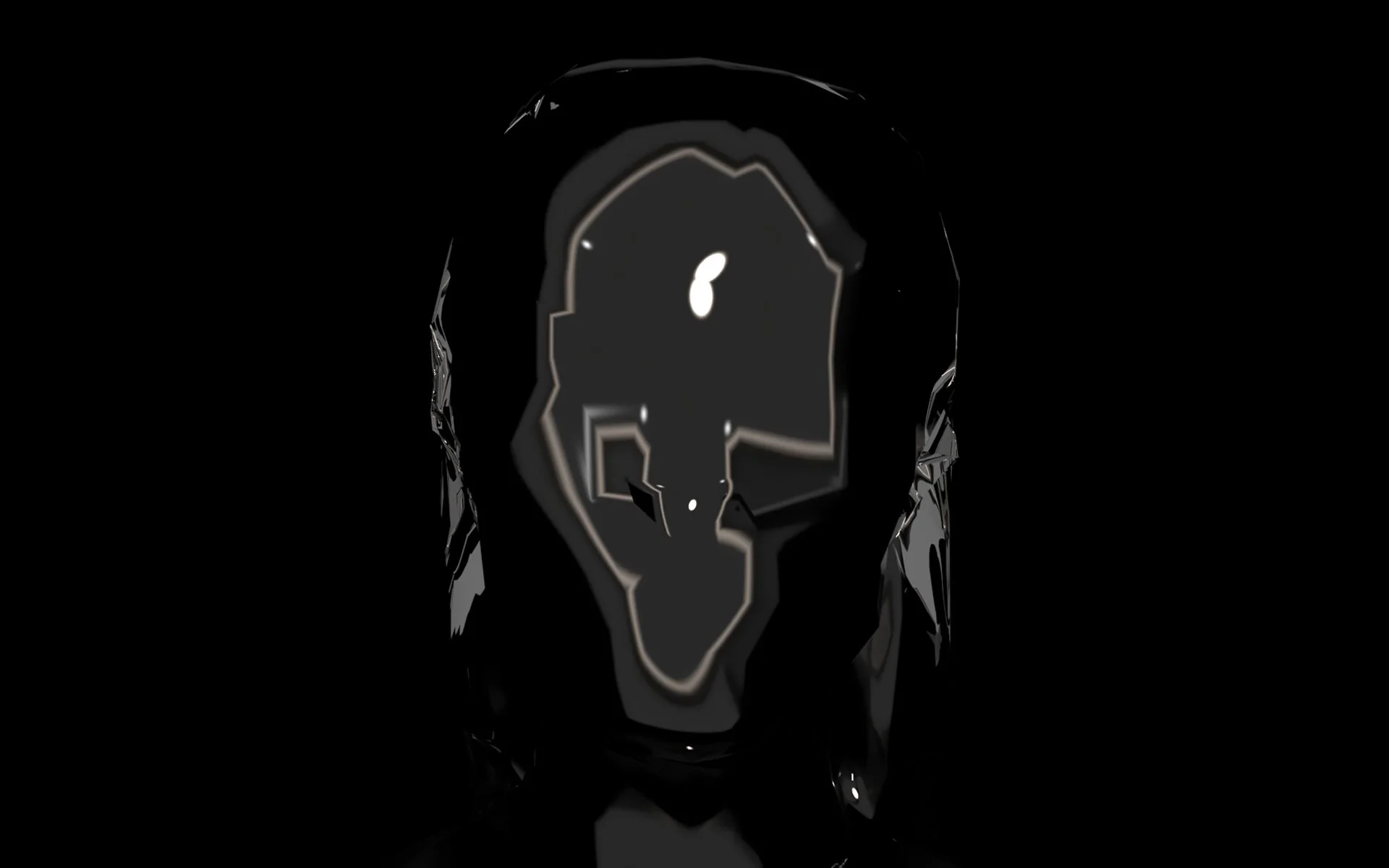
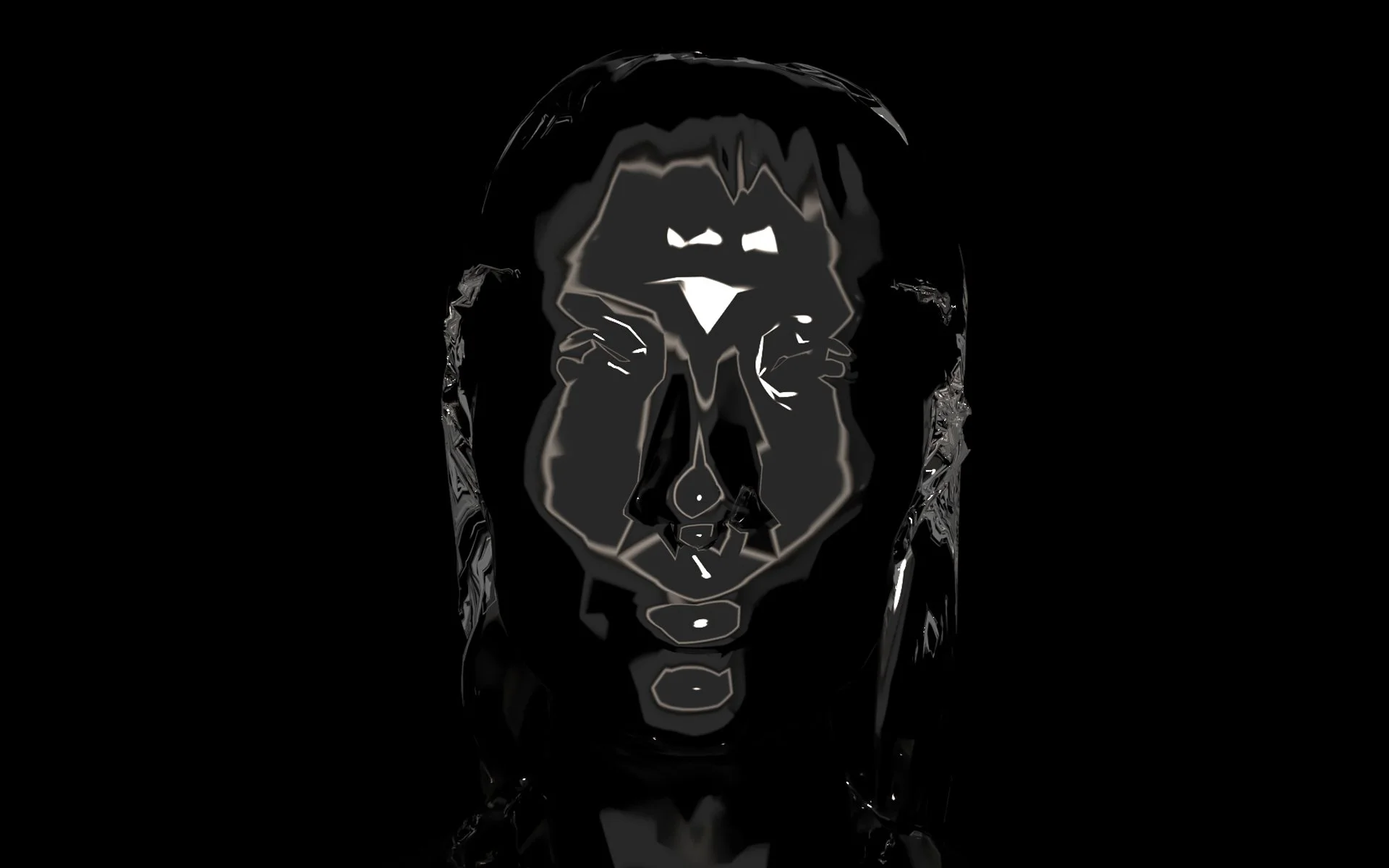
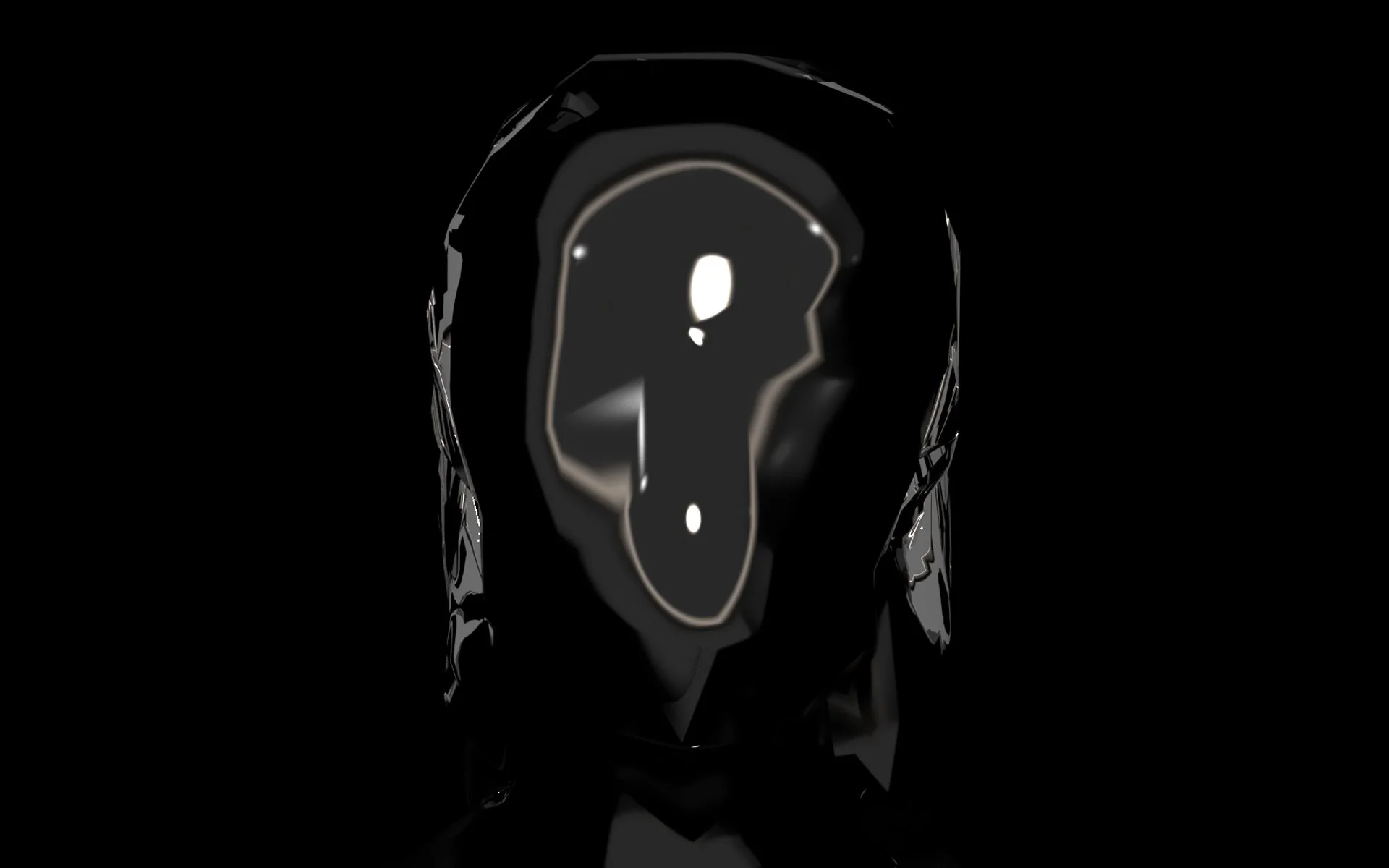
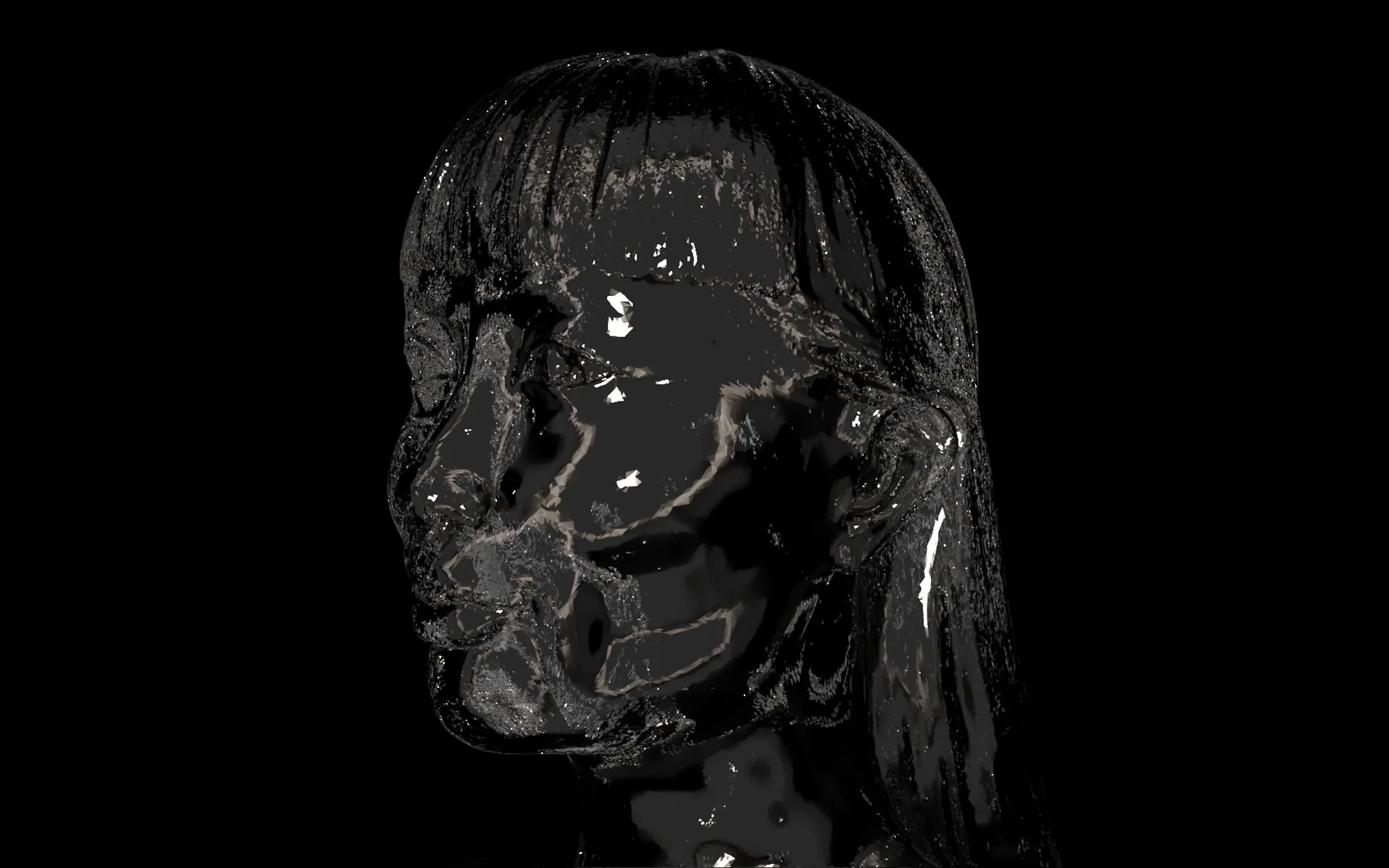
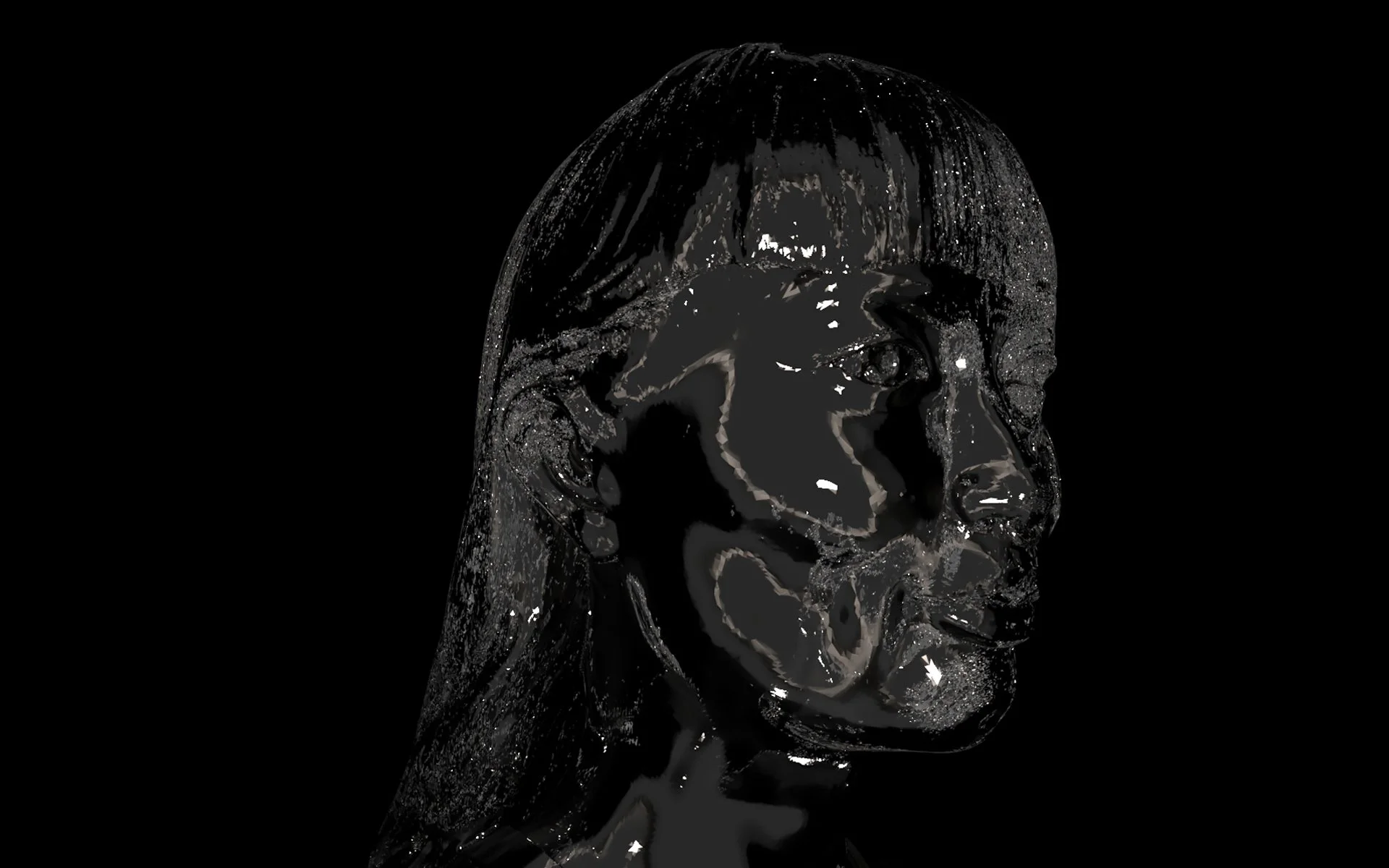
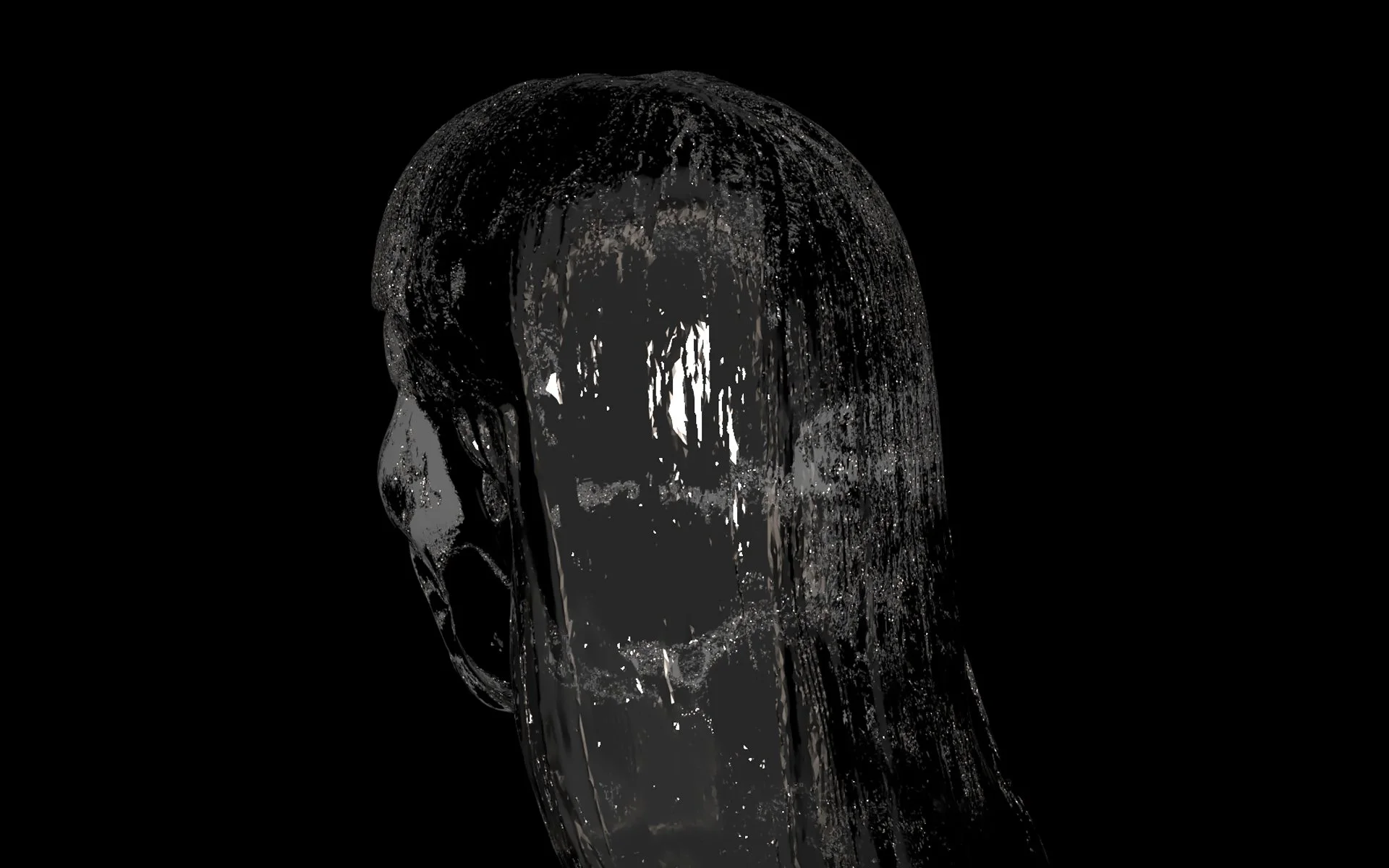
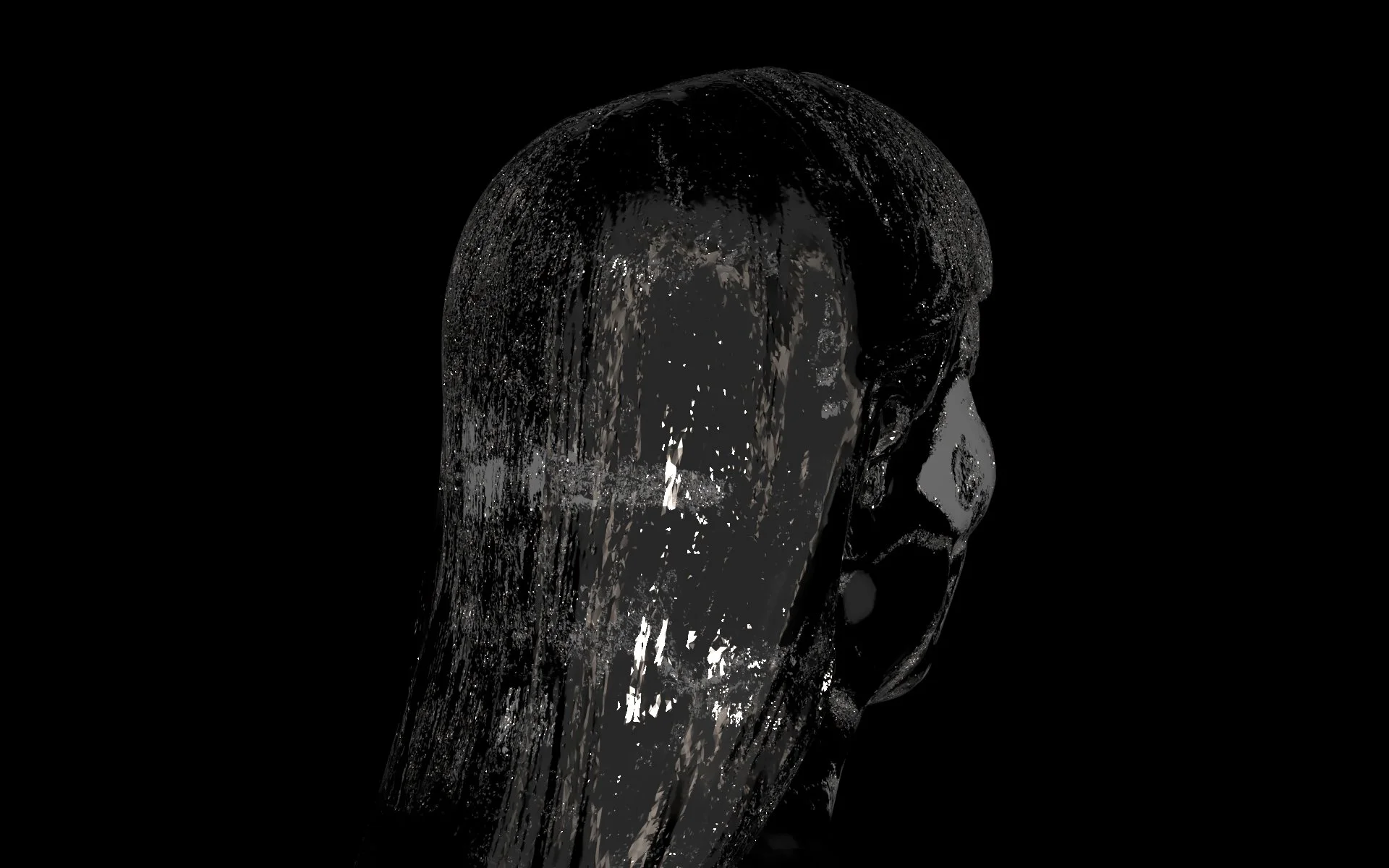
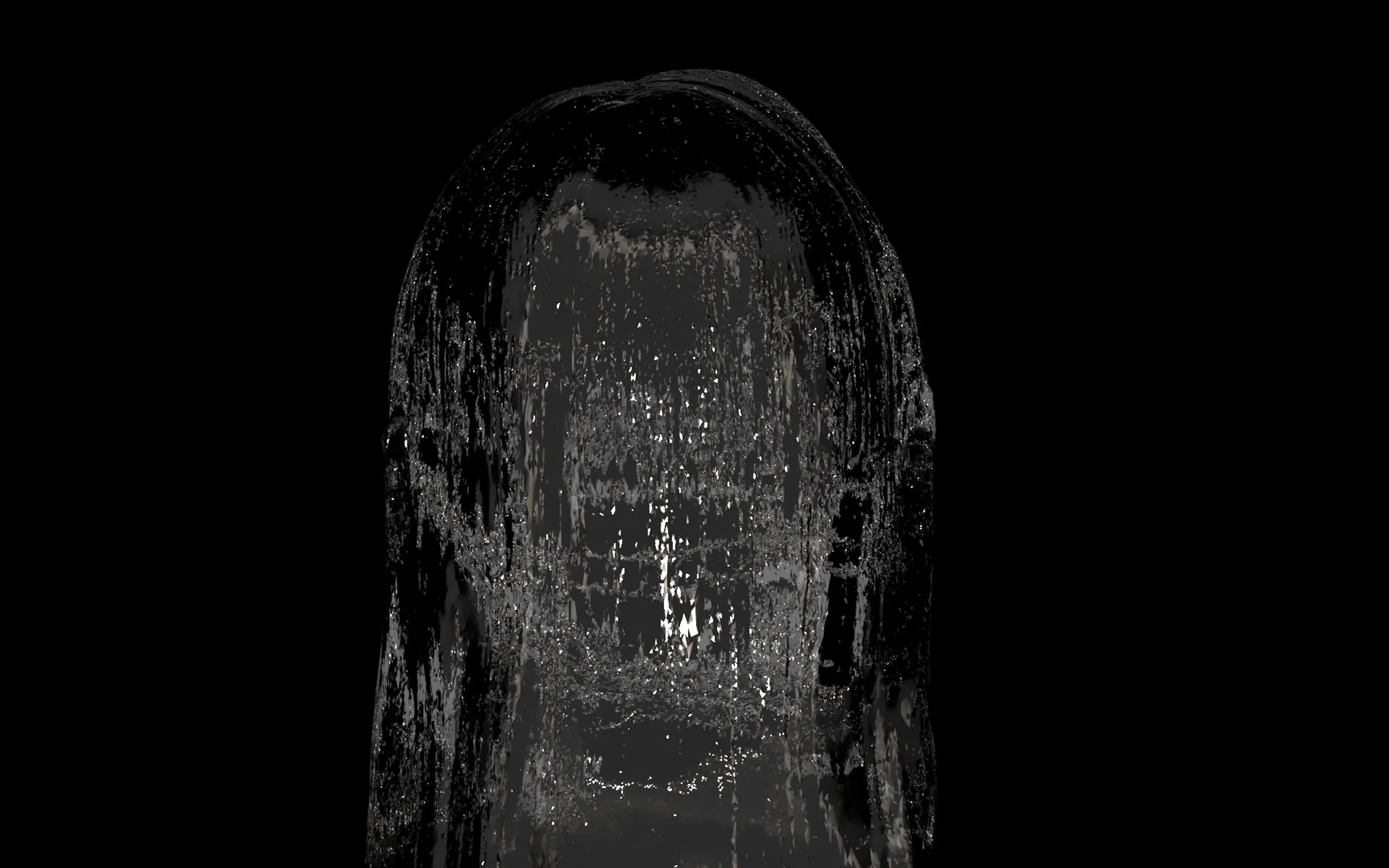
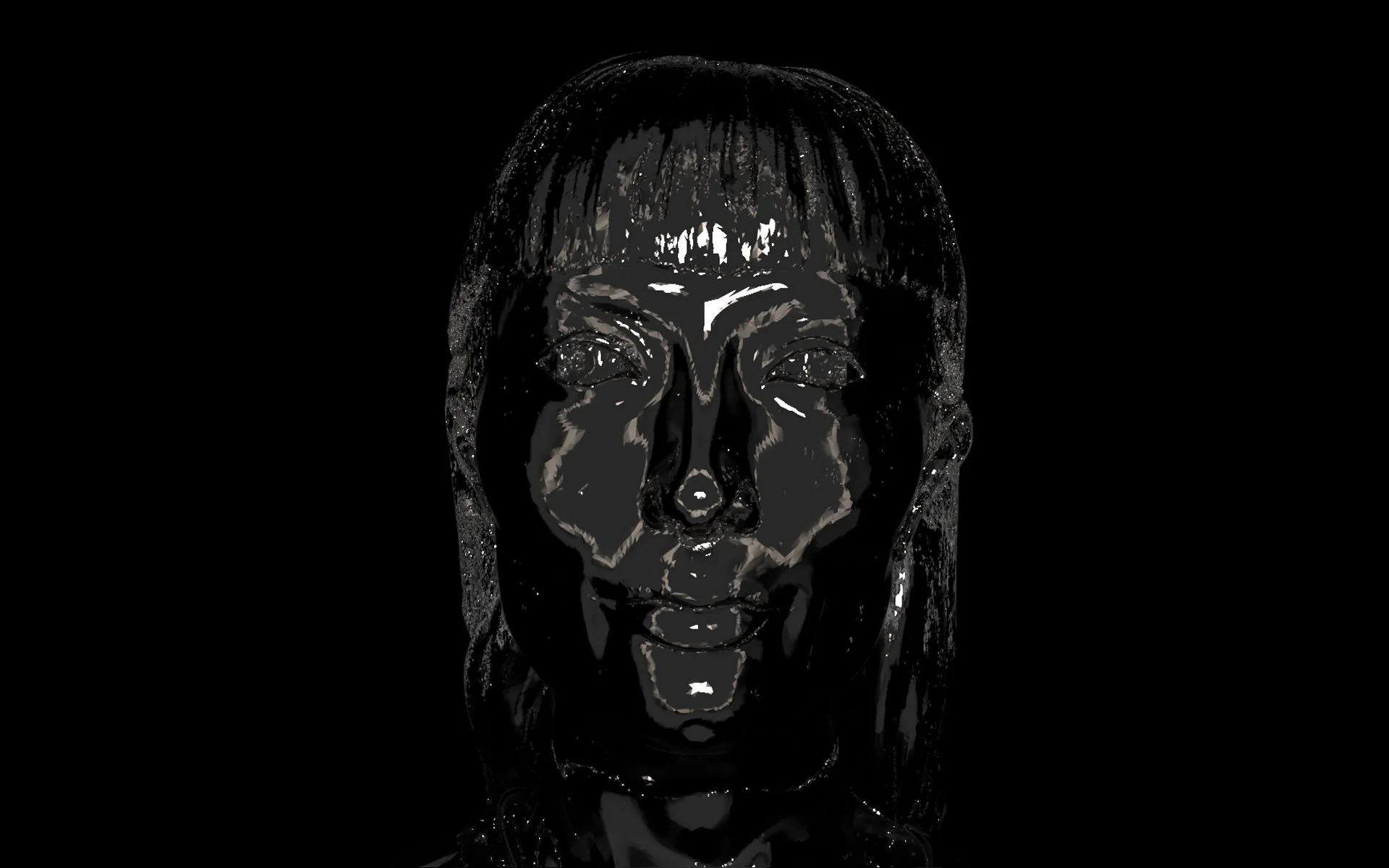
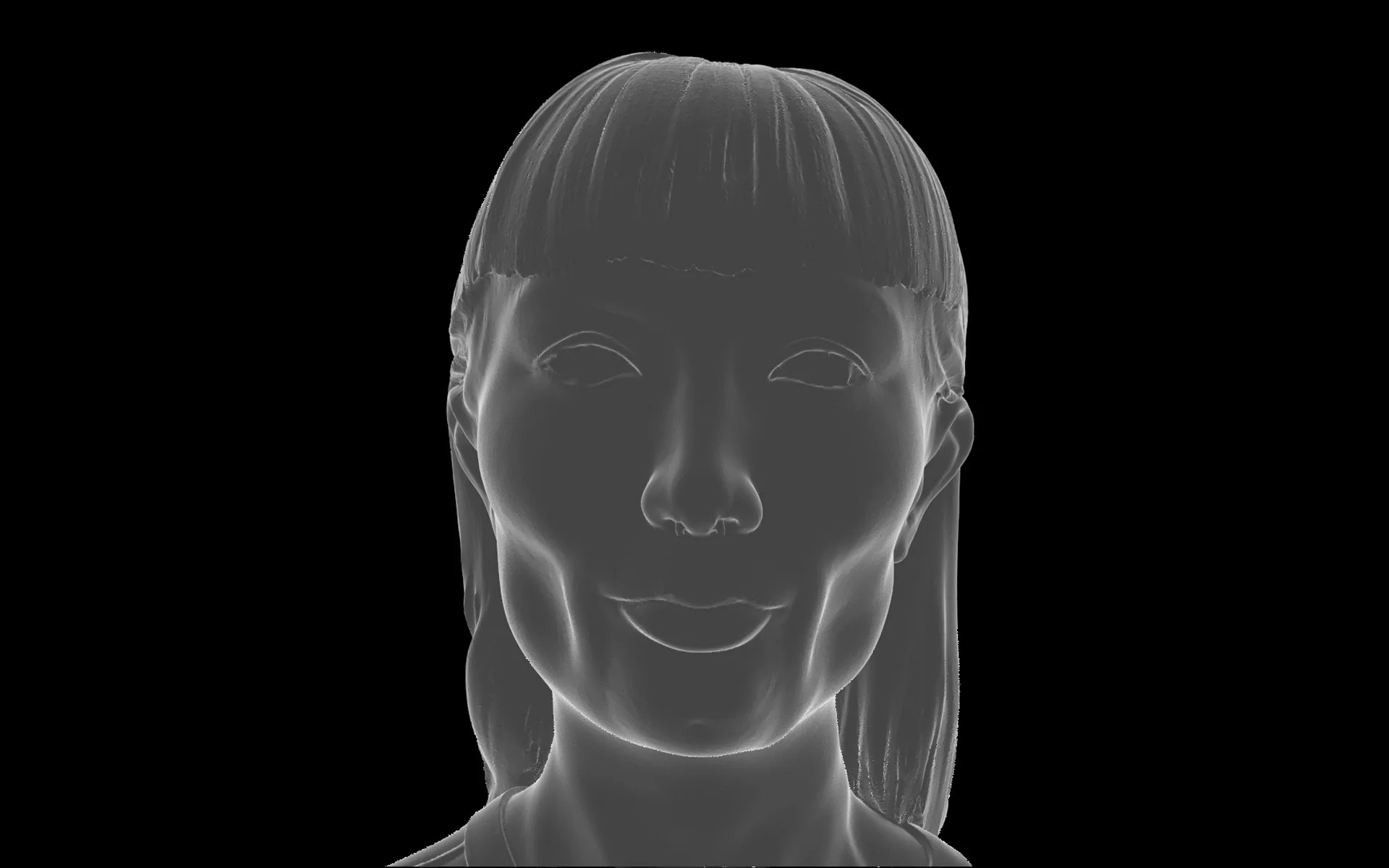
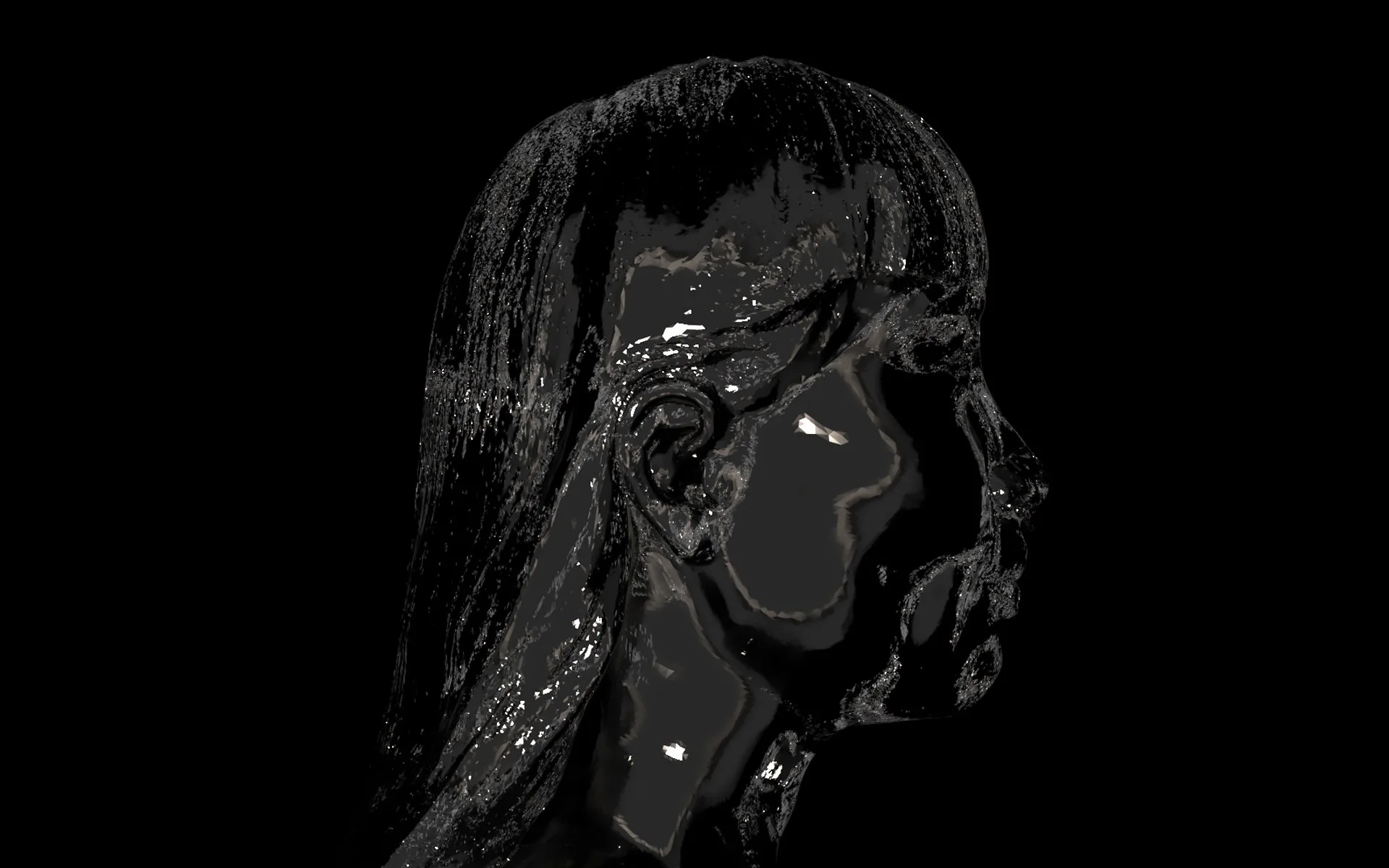
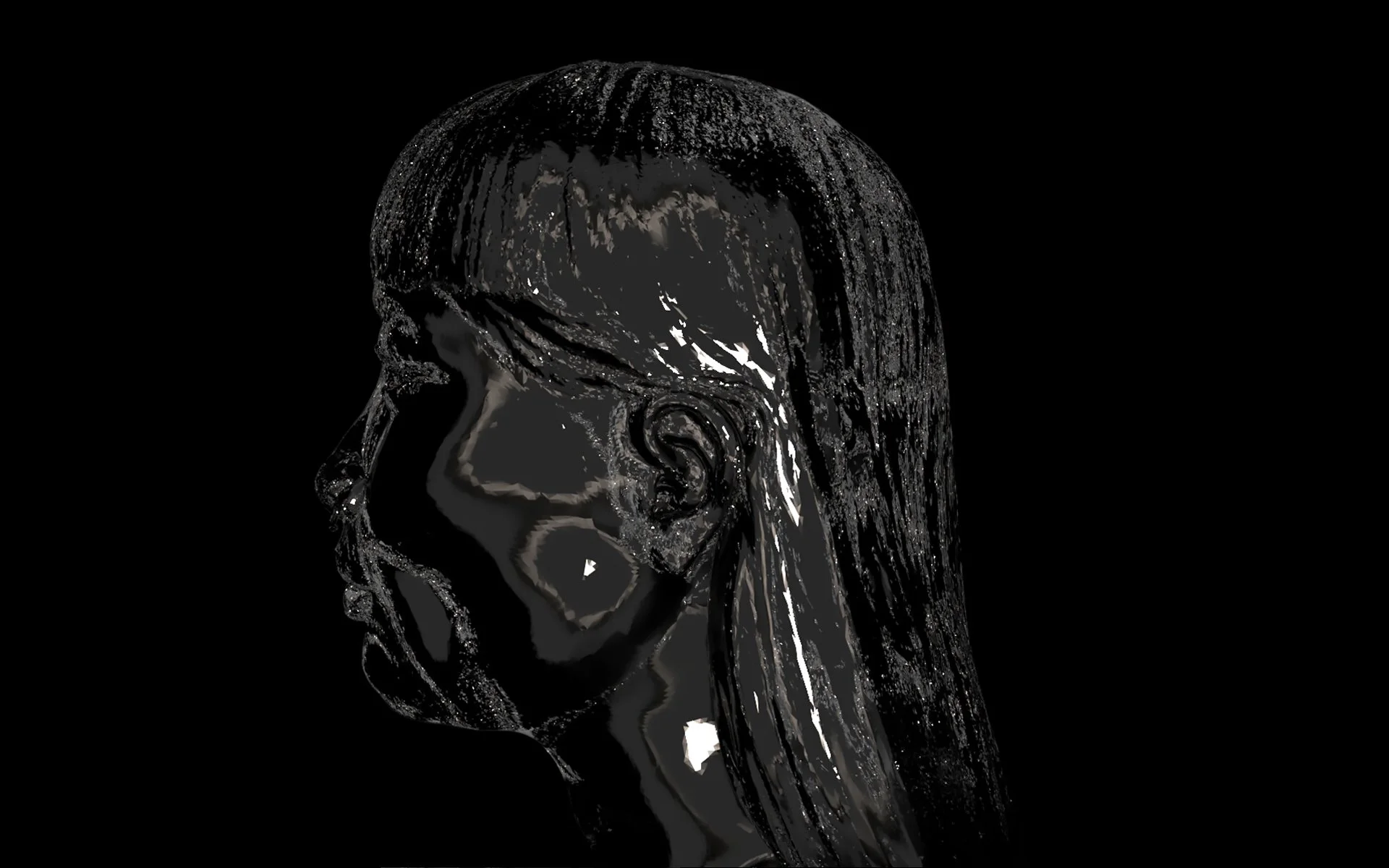
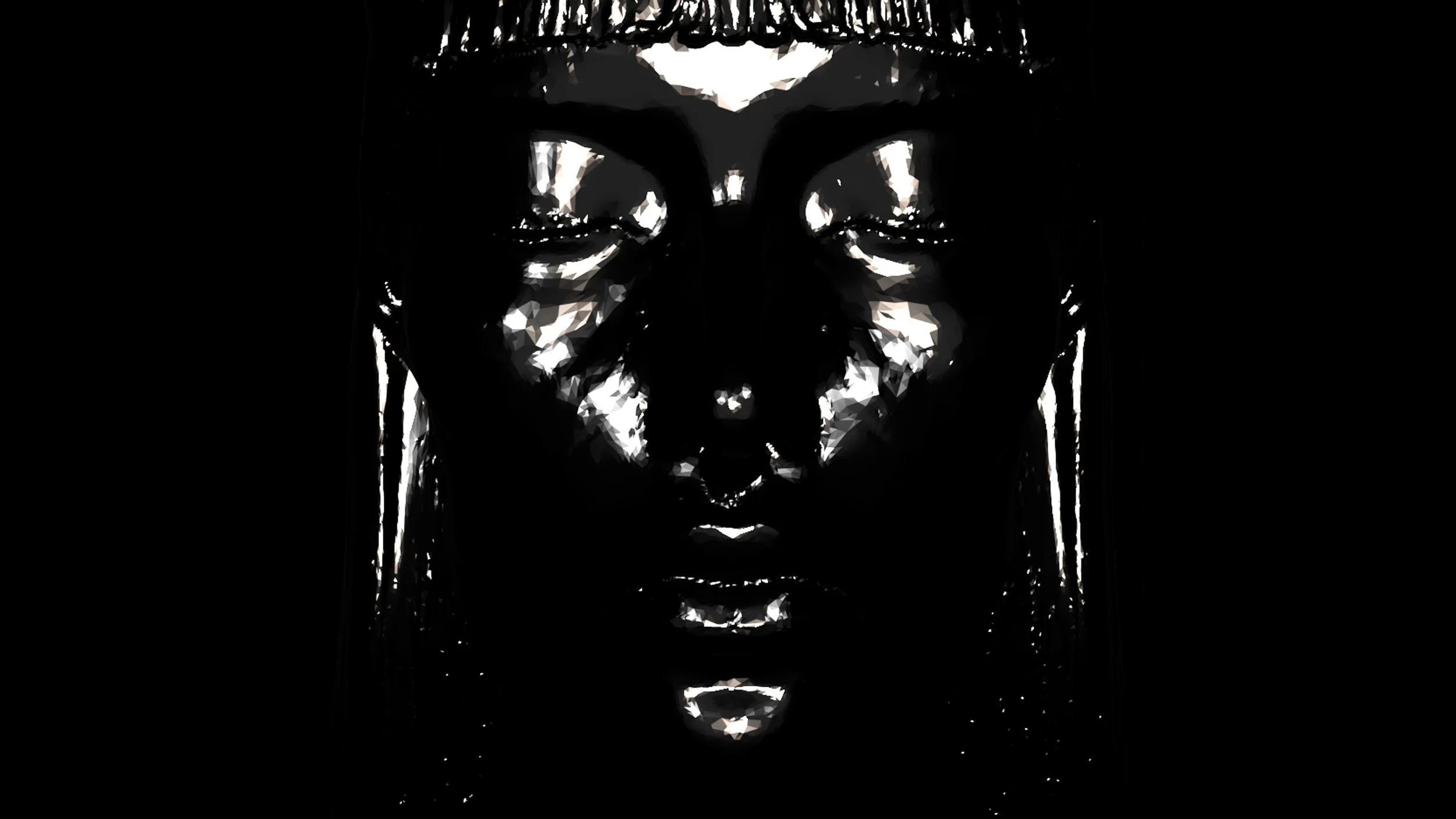
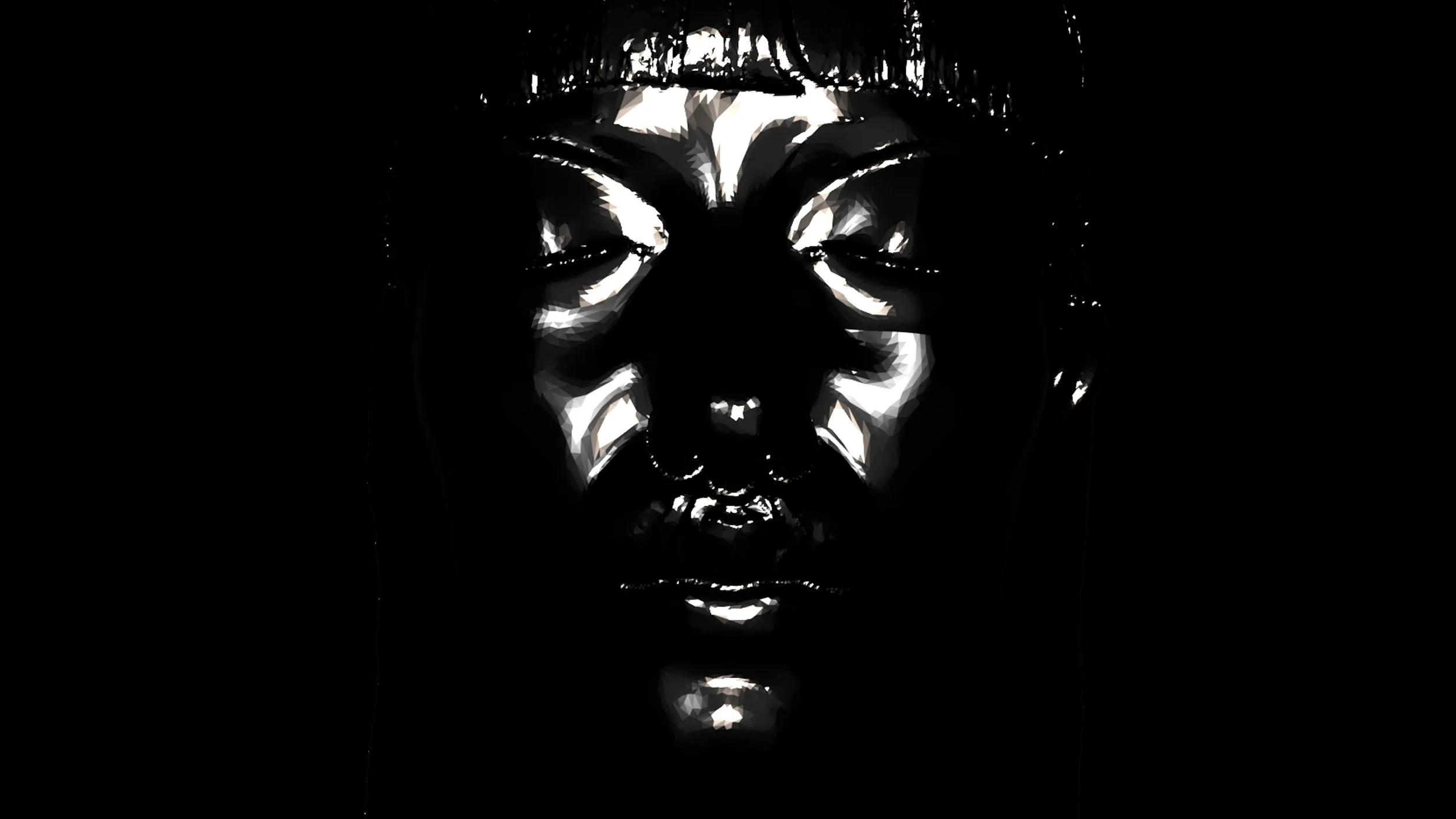
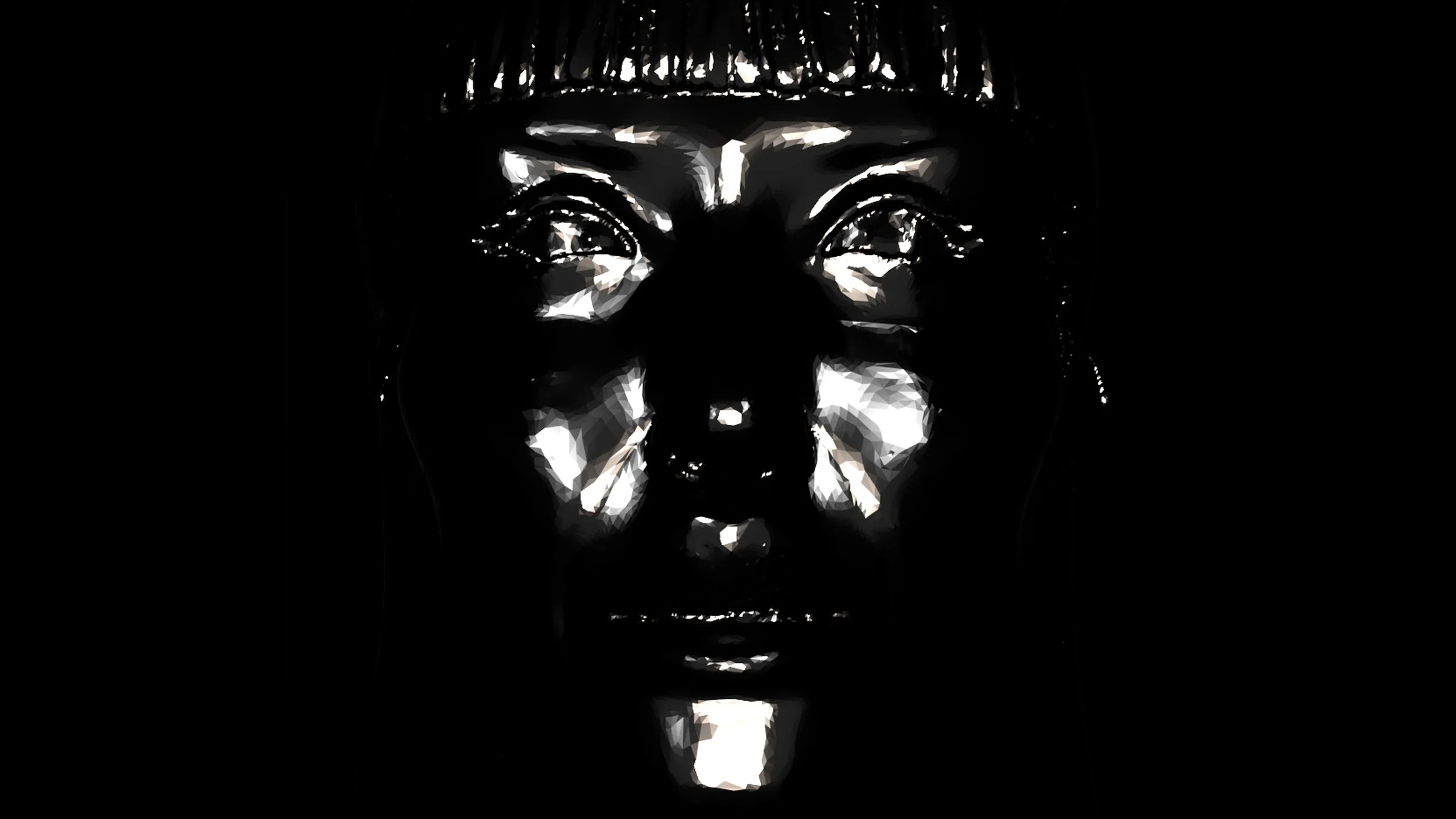
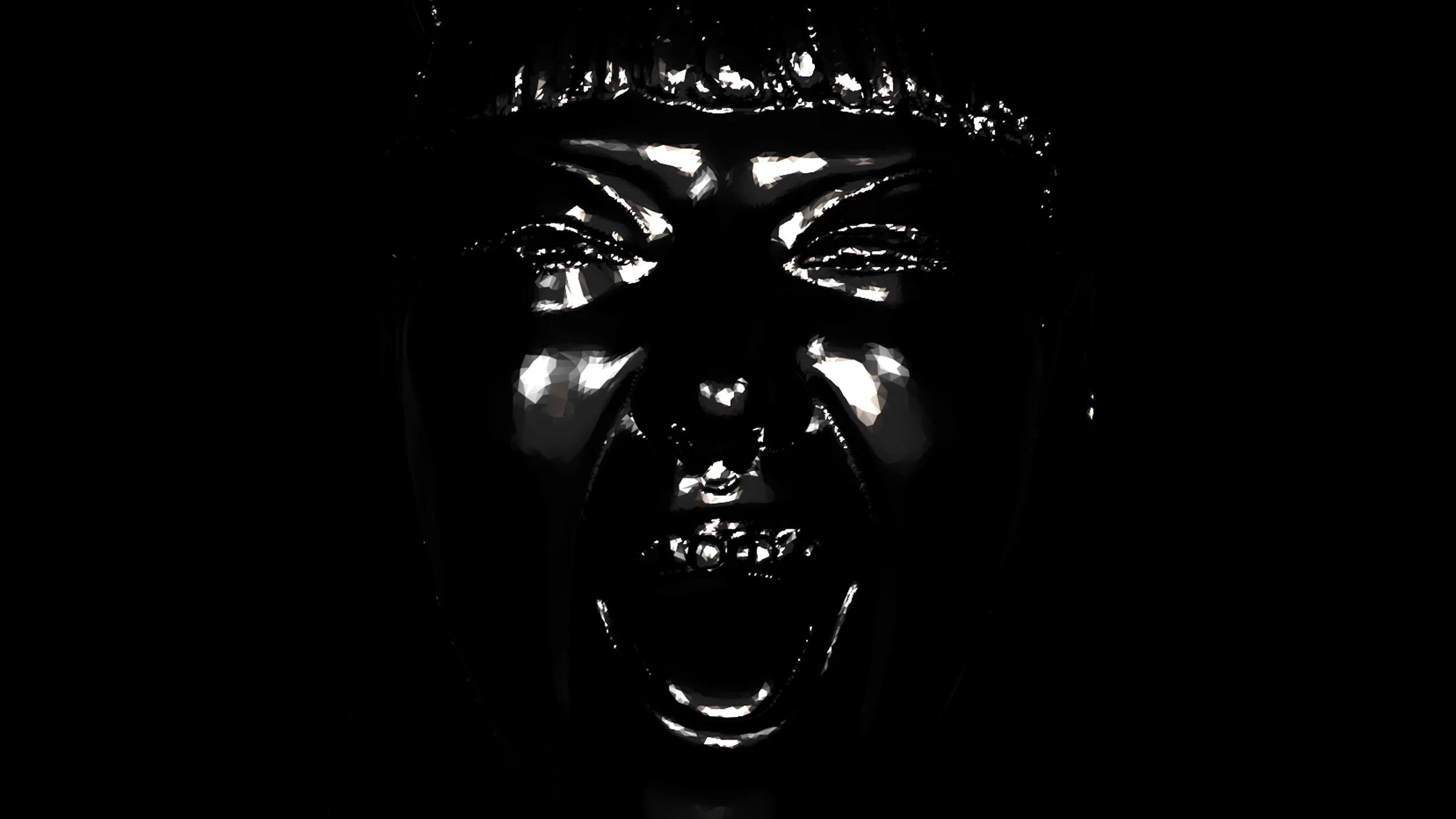
Released after my 30th birthday, Dark Star is a portrait of the first three decades of my life. Conceived as an intimate and voyeuristic look into my mind, the work mirrors the life cycle of a star, suggesting that even after collapse, something within us continues to pulse and endure.
The film interweaves archival footage, interviews, and newly filmed material to create a dialogue between past and present selves, allowing multiple versions of identity to coexist within a single narrative space.
Musically, Dark Star merges cello, electronic production, and cinematic sound design, reflecting a practice rooted in classical performance while expanding into contemporary production and composition. The track features Memory of a Star, a custom virtual instrument developed by architect and designer Kyter Steffes and Shane Myrbeck, head of Arup’s SoundLab, that translates gravitational waves from pulsars—collapsed stars emitting precise rhythmic signals across the universe—into sound, placing personal narrative within a broader cosmic framework.
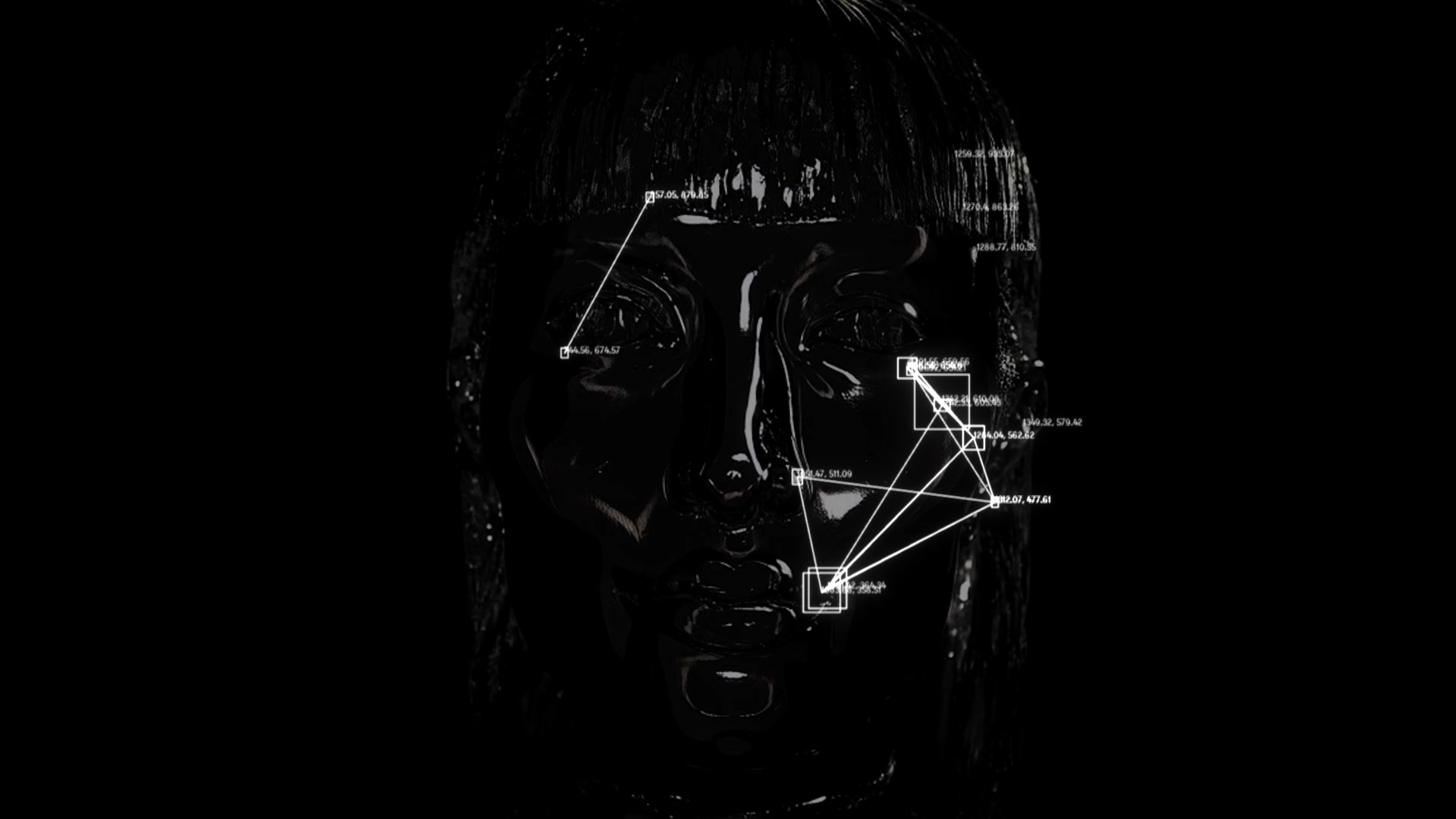
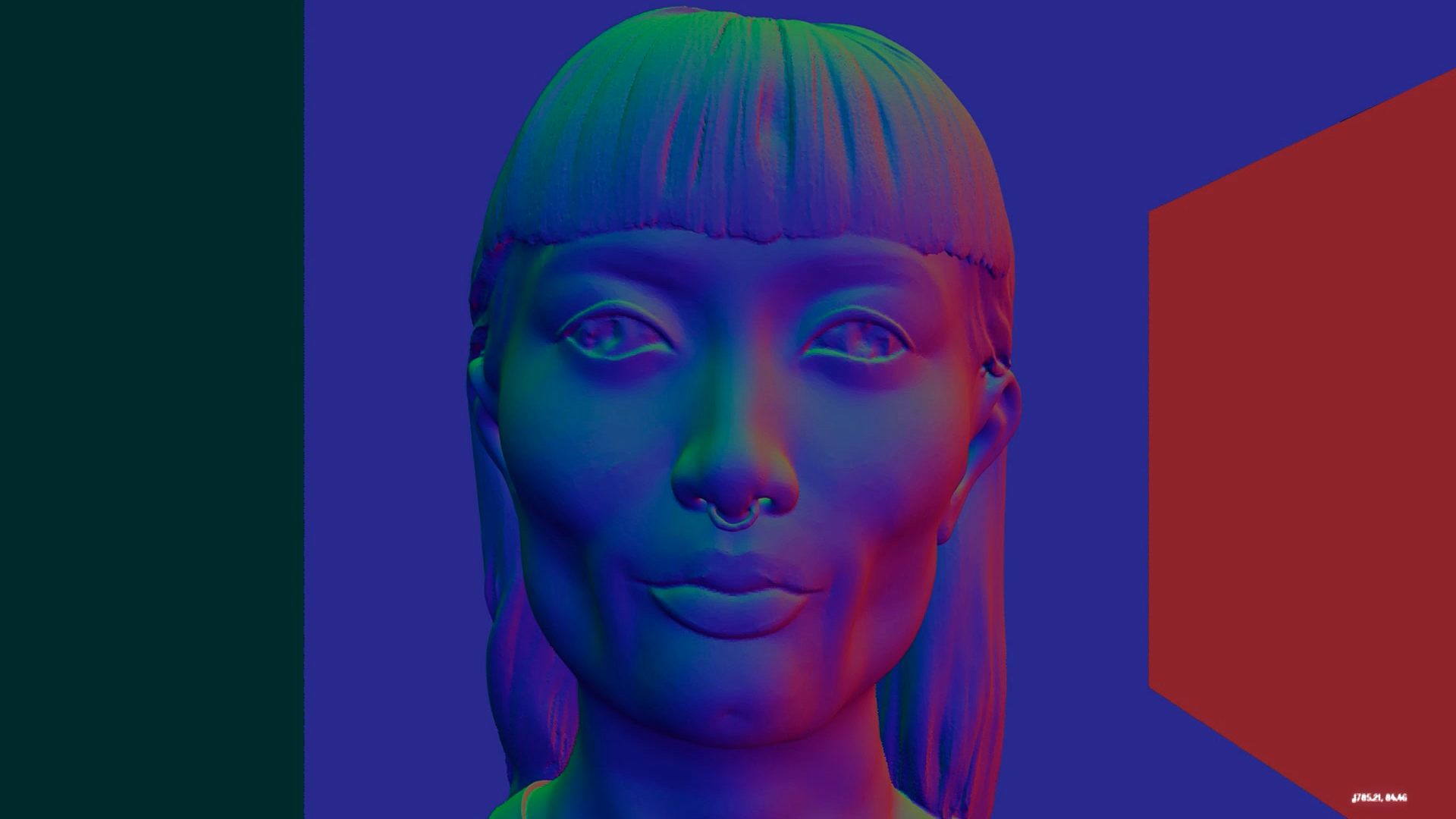
The visual environment was developed in collaboration with Kyter, who created a 3D model of my face used to generate AI-driven portraits reflecting emotional states embodied in the music. The work presents both filmed and AI-generated versions of the self, merging reality and simulation within a hybrid visual landscape.
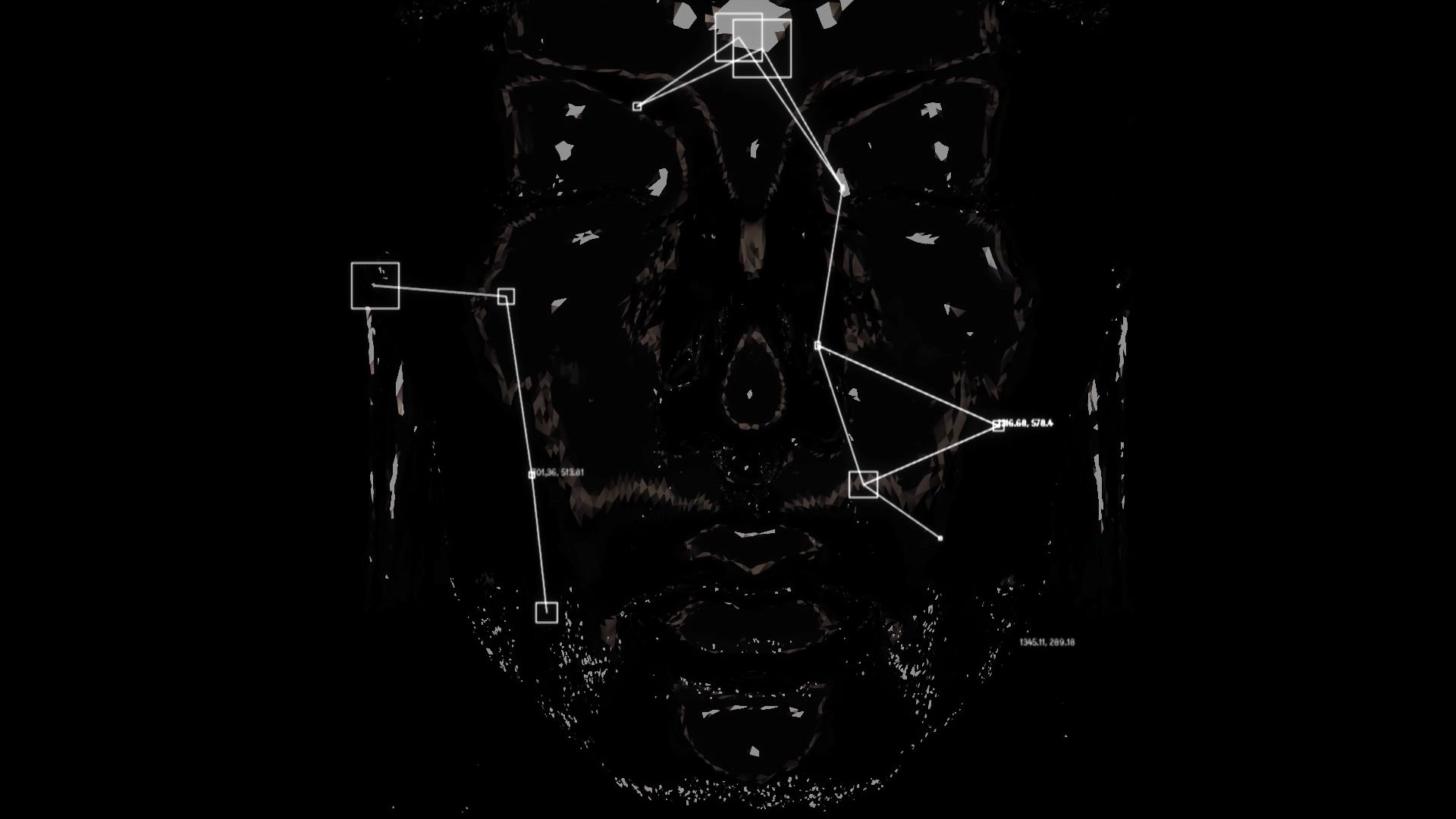
Filmed at the SoundLab in Los Angeles, three projection surfaces construct the visual environment: one displays an audio-reactive particle wave driven by the live cello signal; another projects a live camera feed augmented through motion tracking to generate constellations tracing movement; and the central surface presents AI-generated portraits layered with constellations and particle systems responding in real time to motion and rhythm. Across the work, the cello functions simultaneously as sonic and visual generator.
Together, these systems create a feedback loop between performer, machine intelligence, and architectural space, dissolving boundaries between performance, technology, and environment. Positioned at the intersection of art and technology, Dark Star situates vulnerability within a technological framework where sound, image, and motion emerge collaboratively between human and machine.
Conceived as an open-format immersive piece, Dark Star is designed to adapt across a range of spatial, technological, and architectural environments, from intimate installations to large-scale projection and emerging immersive platforms. Its modular structure allows the work to be reconfigured while preserving its core narrative and sensory language.